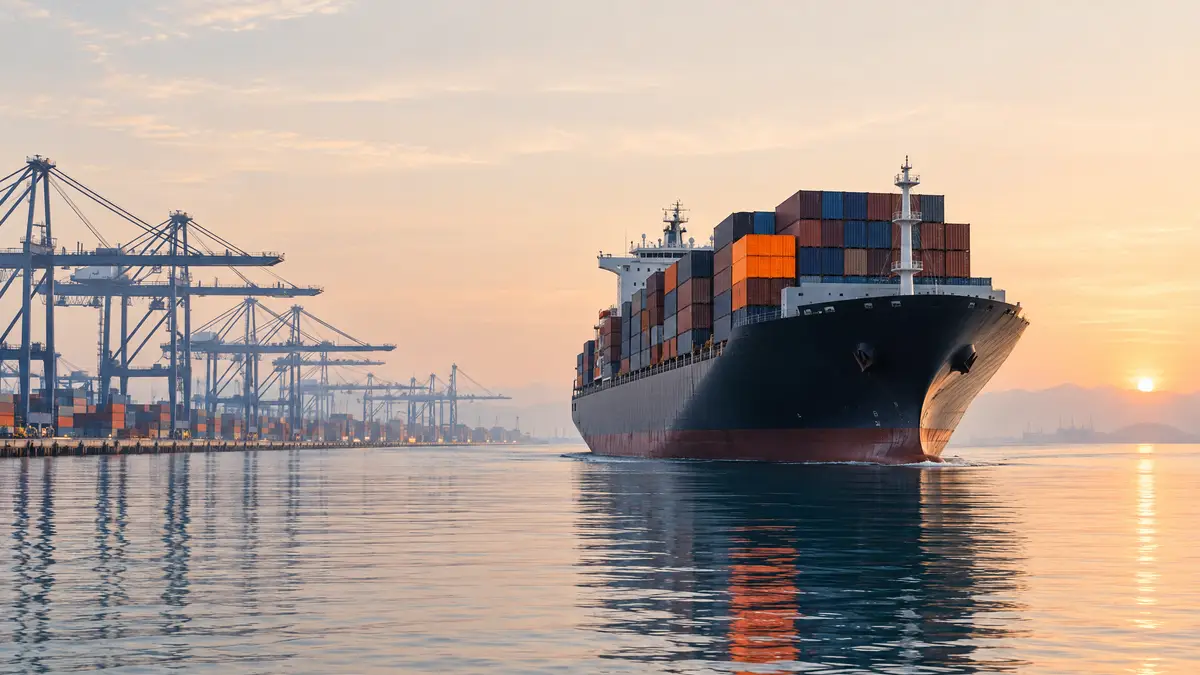
Importing from China into Ecuador is no longer reserved for large companies. With Alibaba, 1688 and a well organized logistics operation, any entrepreneur can bring in full containers or consolidated loads. Where most importers get stuck is the real cost, the lead times and the paperwork, and much less often the supplier. This 2026 guide walks through the full process with real numbers and references to current rules from SENAE, the Ecuadorian customs service.
1. Decide what you will import (and confirm it is allowed)
Before you contact a supplier, check that the product is admitted into Ecuador. Many categories need additional registrations: INEN for quality standards, ARCSA for food and cosmetics, ARCOTEL for telecommunications equipment, AGROCALIDAD for agricultural products. Importing without the right permit ends in fines, seizure of the goods or re-export at your expense.
- Electronics: register the model with ARCOTEL if it has radio or wifi.
- Clothing and textiles: labeling is mandatory under INEN regulation 1 875.
- Toys: INEN 019 certification or an equivalent.
- Cosmetics: ARCSA sanitary notification with the qualitative and quantitative formula.
- Medical equipment, weapons, pesticides and live plants: special permits.
2. Find and vet the supplier
Alibaba.com is the main door for international buyers. 1688.com offers better prices, but it runs in Chinese and serves China's domestic market. If you are just starting, work on Alibaba with the Verified Supplier and Trade Assurance filters turned on.
- Ask for three quotes on the same product and compare FOB price and MOQ.
- Pay for a sample before you close the large order.
- Require a proforma invoice showing the HS code, payment terms and Incoterm.
- For orders above USD 3,000, hire a factory inspection (USD 150 to 300).
3. Choose the right Incoterm
The Incoterm defines who pays for what. For Ecuador the most common are FOB (the supplier delivers to the port in China and you pay the freight) and EXW (the supplier hands over the goods at its factory and you also cover inland transport within China). Avoid DDP unless you fully trust the seller. Under DDP the supplier handles Ecuadorian customs, and it is common for clearance never to happen the way it was promised.
4. Choose air or ocean freight
Air freight costs more, but it gets your goods in 3 to 4 times faster. Ocean freight makes sense for high volumes or heavy products. The 2026 reference ranges are:
| Mode | Door to door time | Approximate cost | Typical use |
|---|---|---|---|
| Consolidated air | 7 to 12 days | USD 8 to 12 per kg | Electronics, samples, high value per weight |
| Ocean LCL | 30 to 45 days | USD 80 to 120 per m3 | Clothing, accessories, mixed loads |
| Ocean FCL 20 ft | 30 to 45 days | USD 2,800 to 4,500 per container | Machinery, high volume, a single category |
| Express courier | 4 to 7 days | USD 18 to 30 per kg | Up to 4 kg, simplified 4x4 category |
5. Pay the supplier without exposing yourself
Paying 30% with the order and 70% before shipment is the factory standard. Use Alibaba Trade Assurance or a T/T wire to the supplier's corporate account, never to a personal account. Check that the beneficiary name matches the proforma invoice exactly. For imports above USD 10,000, require a letter of credit.
6. Customs clearance with SENAE
When the cargo reaches Guayaquil or Quito's Tababela airport, clearance starts in ECUAPASS, Ecuador's electronic customs system. You need a licensed customs broker (USD 150 to 300 per clearance) and at least these documents:
- Signed commercial invoice with the 10 digit HS code
- Packing list (pieces, boxes, net and gross weight)
- Ocean Bill of Lading or Air Waybill
- Certificate of origin if a trade agreement applies
- Power of attorney for the customs broker
- Active importer registration in the system
7. Taxes in Ecuador
The general calculation runs on the CIF value (FOB plus freight plus insurance): ad valorem duty according to the tariff line, FODINFA (a 0.5% child development contribution), ICE (Ecuador's special consumption tax) where it applies, and IVA, the 15% VAT, charged on the base plus the earlier taxes. ATLAS works out the whole package in seconds, but knowing the formula helps you negotiate margins.
8. Last mile and receiving
After clearance, the cargo leaves the customs facility for your address. Guayaquil is the main port, and delivery to Quito costs between USD 120 and 220 in a closed truck, in under 10 hours. Always inspect the goods in front of the carrier and sign a report if anything is wrong. For delicate electronics, ask for this-side-up handling with no boxes stacked on top.
Summary: the import formula that works
- 01Confirm regulatory permits.
- 02Close the supplier with Trade Assurance.
- 03Settle on FOB terms and the transport mode.
- 04Work out your landed cost before you pay (ATLAS does it for free).
- 05Sign with a customs broker and put the documents together.
- 06Pay, produce, ship.
- 07Clearance, taxes, last mile.
- 08Inspect, invoice, sell.
If you would rather skip the learning curve, Daleki Trade manages the whole process end to end under the 50/50 model. The details are on the managed import service page.