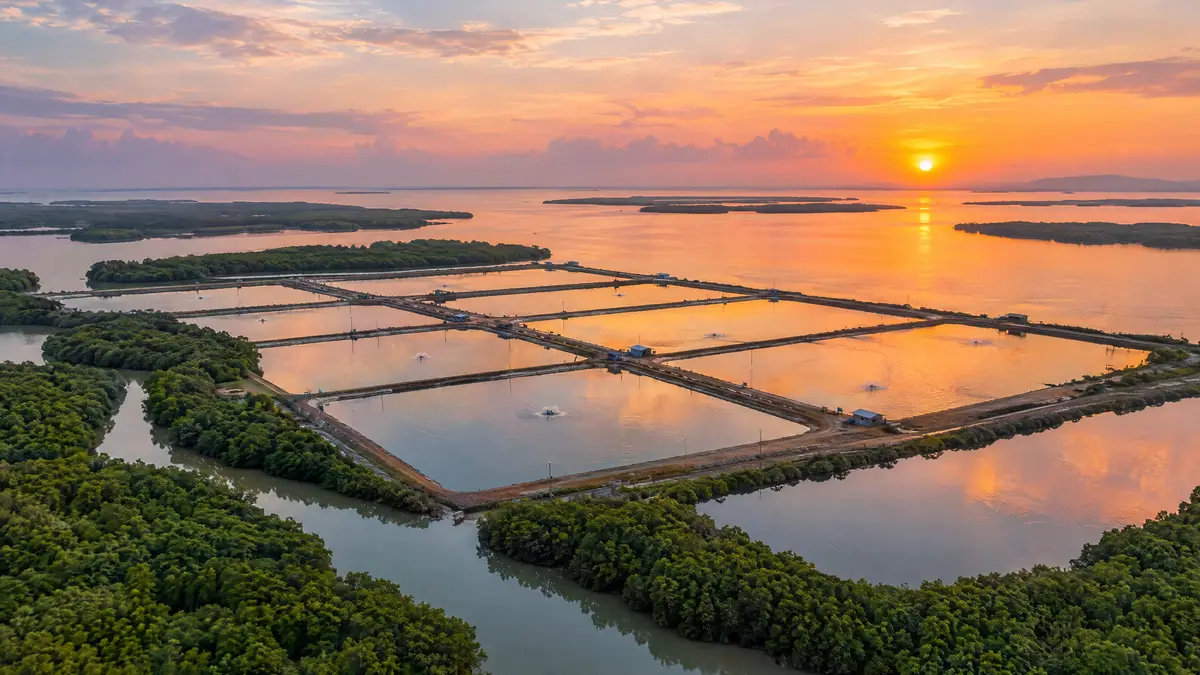
Ecuador is the world's largest shrimp exporter, and May 2026 set a historic record: 165,538 tons shipped in a single month, worth 847 million dollars. But that same year also exposed the fragile side of the business: China suspended the sanitary certificates of several Ecuadorian processing plants mid-year. If you are sourcing shrimp from Ecuador or evaluating a new supplier there, this is the context to check before you sign anything.
Where Ecuadorian shrimp is already going
| Destination | Approximate share | 2026 behavior |
|---|---|---|
| China | 49.6% | Moderate growth, close to 1% year over year |
| United States | 24.7% | Strong growth: +23% in volume, +26.9% in value |
| Europe | 17% | Stable market |
| Americas, Africa and Oceania | Remainder | Smaller share but expanding |
The 2026 sanitary crisis with China you need to ask your supplier about
Starting June 30, 2026, China's General Administration of Customs (GACC) suspended the sanitary certificates that allow exports to that market for several Ecuadorian plants, reported as anywhere from seven to fourteen depending on the source. The stated reason was residue findings of sodium metabisulfite, a preservative used to prevent black spot on shrimp, along with reports linked to white spot virus in some shipments. Ecuador adjusted its quality protocols and the government opened direct talks with China to lift the suspension.
What this means if you're vetting an Ecuadorian supplier
The lesson from 2026 is simple: traceability and biosecurity are no longer paperwork, they are the condition for staying able to sell into the country's largest buyer market. There is a bilateral sanitary protocol in force between Ecuador and China that sets exact limits on permitted additives and biosecurity requirements at the plant. A supplier that does not meet it to the letter can be shut out of that market overnight, regardless of any contract already in place with you.
- Verify that your supplier's processing plant is currently authorized and in good standing with GACC before you close a contract tied to the Chinese market.
- Ask for full lot-level traceability, from the pond to the container.
- Confirm the additive limits allowed under the current bilateral protocol, especially sodium metabisulfite.
- Do not rely on a single market: suppliers diversified across China, the United States and Europe carry less risk if one country suspends imports.
HS code and certifications to request
Frozen shrimp, the most exported presentation, is classified under HS heading 0306.17. Fresh or chilled shrimp and processed shrimp fall under different headings. Every shipment needs a sanitary registration from the competent Ecuadorian authority, plant-level authorization specific to the buyer country (GACC for China, FDA for the United States), and an individual sanitary certificate per shipment.
ATLAS checks current restrictions by destination before you commit to a shipment, and the Daleki Trade customs advisory team supports buyers verifying an Ecuadorian shrimp supplier's sanitary status or handling a compliance dispute with SENAE or the buyer country's own authority. Reach out through /en/contact if you need a supplier checked before you sign.